


How It Works
Structured.
Predictable.
Ongoing.
We operate as your outsourced safety department. That means safety is not treated as a project, a document delivery exercise or an annual audit. It is managed as an ongoing function within your business.
Our approach follows a defined three-stage model. Each stage builds structure, embeds accountability and ensures systems are actively maintained in alignment with the WHS Act, relevant Australian Standards and regulator expectations. This structure mirrors how larger organisations manage safety internally, bringing the same discipline to smaller operational businesses.

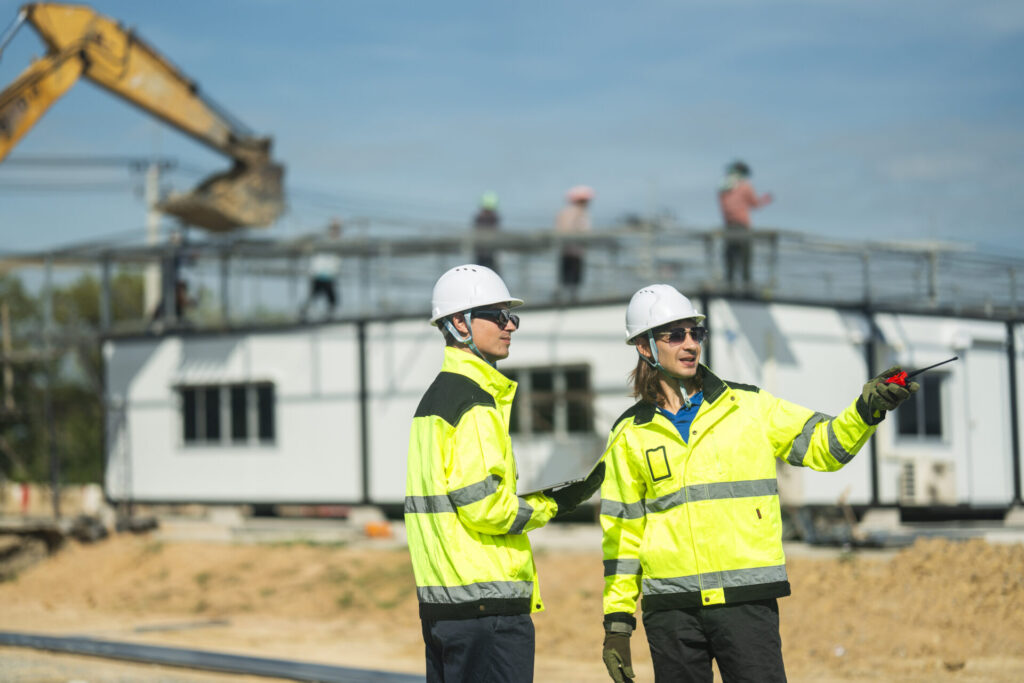



Step 1 | Review
We begin by assessing your current safety maturity and operational risk exposure.
This includes reviewing documentation, responsibilities, contractor requirements and site-level implementation. The objective is to understand where structure exists, where gaps are present and how your systems would perform under contract or regulatory scrutiny.
The review phase establishes a clear baseline.
Step 2 | Implement
Where WHS systems require development or refinement, we build and formally embed them into your business.
This may include:
- Updating or developing WHS management systems
- Clarifying roles and accountability
- Establishing registers and tracking mechanisms
- Implementing structured corrective action processes
Implementation is not limited to documentation. It includes ensuring systems are understood, adopted and integrated into operations.
Step 3 | Manage
Once systems are embedded, we manage them as an ongoing, outsourced WHS function. This includes:
- Maintaining registers and documentation
- Tracking corrective actions
- Supporting supervisors and leadership
- Providing incident investigation leadership where required
- Preparing for audits and regulator interaction
Safety becomes structured and monitored, not reactive. This ongoing oversight ensures safety systems remain active, audit-ready and aligned with contract and regulator expectations.
Structured safety capability without internal overhead
Hiring an internal safety professional is not commercially realistic for many small and growing businesses. Employment costs extend well beyond salary – including superannuation, leave entitlements, training and management time.
The Safety Dept. provides structured safety capability at a predictable weekly investment.
Safety capability starts from $250 per week, tailored to your business size, industry risk profile and operational complexity.
Your investment supports:
- Ongoing system management
- Defined oversight and accountability
- Incident response leadership
- Contract and audit readiness
- Alignment with the WHS Act and regulator expectations
This managed outsourced WHS services model allows your safety capability to scale with your business without increasing internal headcount.

Managed outsourced WHS services FAQs
What is an outsourced safety department?
An outsourced safety department is a structured external service that performs the function of an internal WHS team without you hiring staff. The Safety Dept. manages your safety systems, documentation, compliance tracking and oversight on an ongoing basis. Unlike template providers or one-off consultants, an outsourced safety department provides continuous management aligned to the WHS Act, Australian Standards and regulator expectations.
How much does an outsourced WHS department cost?
The Safety Dept. provides structured safety capability starting from $250 per week, depending on your business size, industry risk and number of sites. This investment covers ongoing system management, documentation control, corrective action tracking and defined oversight – offering an alternative to hiring an internal safety manager.
Do I still need a safety manager if I use The Safety Dept.?
Most small and growing businesses do not need to hire an internal safety manager when partnering with The Safety Dept. We operate as your outsourced safety function, providing defined oversight, incident investigation leadership and system management. Directors and supervisors retain operational responsibilities, but safety systems are structured, maintained and professionally supported.
How does The Safety Dept. help with SafeWork NSW compliance?
The Safety Dept. builds and manages safety systems aligned with the WHS Act, relevant Australian Standards and regulator expectations, including SafeWork NSW requirements. We support incident investigations, maintain compliance registers and ensure documentation is controlled and up-to-date, helping businesses demonstrate active oversight if reviewed by regulators.
What happens if there is a workplace incident?
If a workplace incident occurs, The Safety Dept. provides structured support, including incident investigation leadership, documentation management and guidance aligned with WHS Act obligations. We help ensure corrective actions are formally recorded, responsibilities are clearly assigned and regulator interactions are managed professionally where required. Our role is to support operational stability and reduce exposure during what can be a high-risk period for directors and supervisors.
How do I know if my current safety systems are sufficient?
Most businesses only find out their systems are insufficient when they are tested – during a client audit, incident or regulator investigation.
If you’re unsure how your current approach would be assessed in practice, the Safety Decoded: Australia guide provides a clear explanation of how safety systems are evaluated and where gaps typically exist.