Machinery and guarding
Moving parts can create crushing, cutting, entanglement and other serious risks.
Machine guarding, interlocks and safety devices need to remain effective and appropriate for how the equipment is actually being used.

MANUFACTURING & INDUSTRIAL
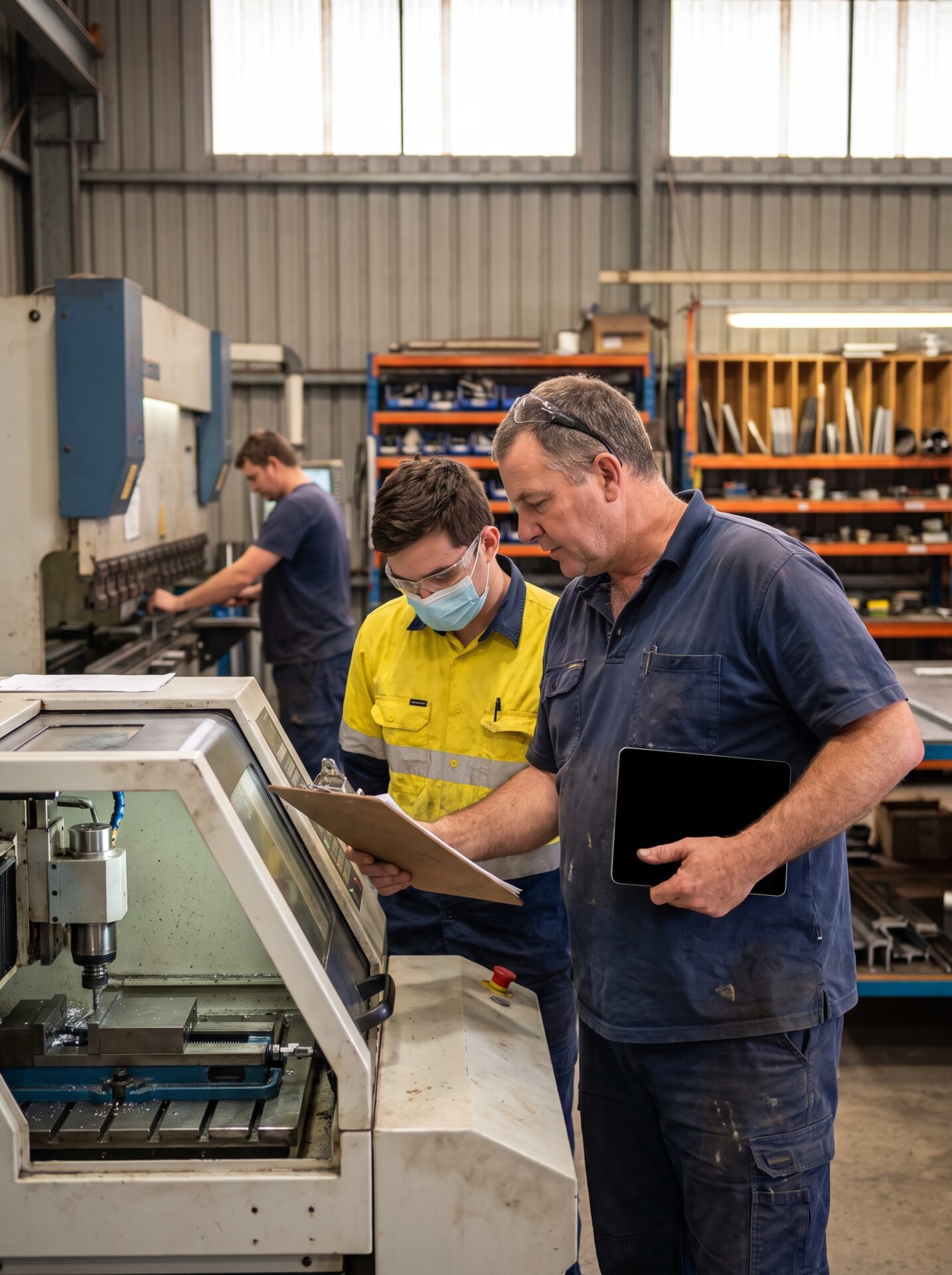
In a small or medium manufacturing business, safety is usually one of many things competing for attention.
Machines need to keep running. Maintenance gets scheduled. Materials move through the workshop. Workers need training. Forklifts operate around people. Chemicals, tools and equipment need managing.
Meanwhile, WHS records, procedures and actions still need to stay current.
The Safety Dept. helps manage the WHS system behind your operation, giving your business ongoing structure and follow-through without needing a full internal safety team.
BUILT AROUND YOUR OPERATION
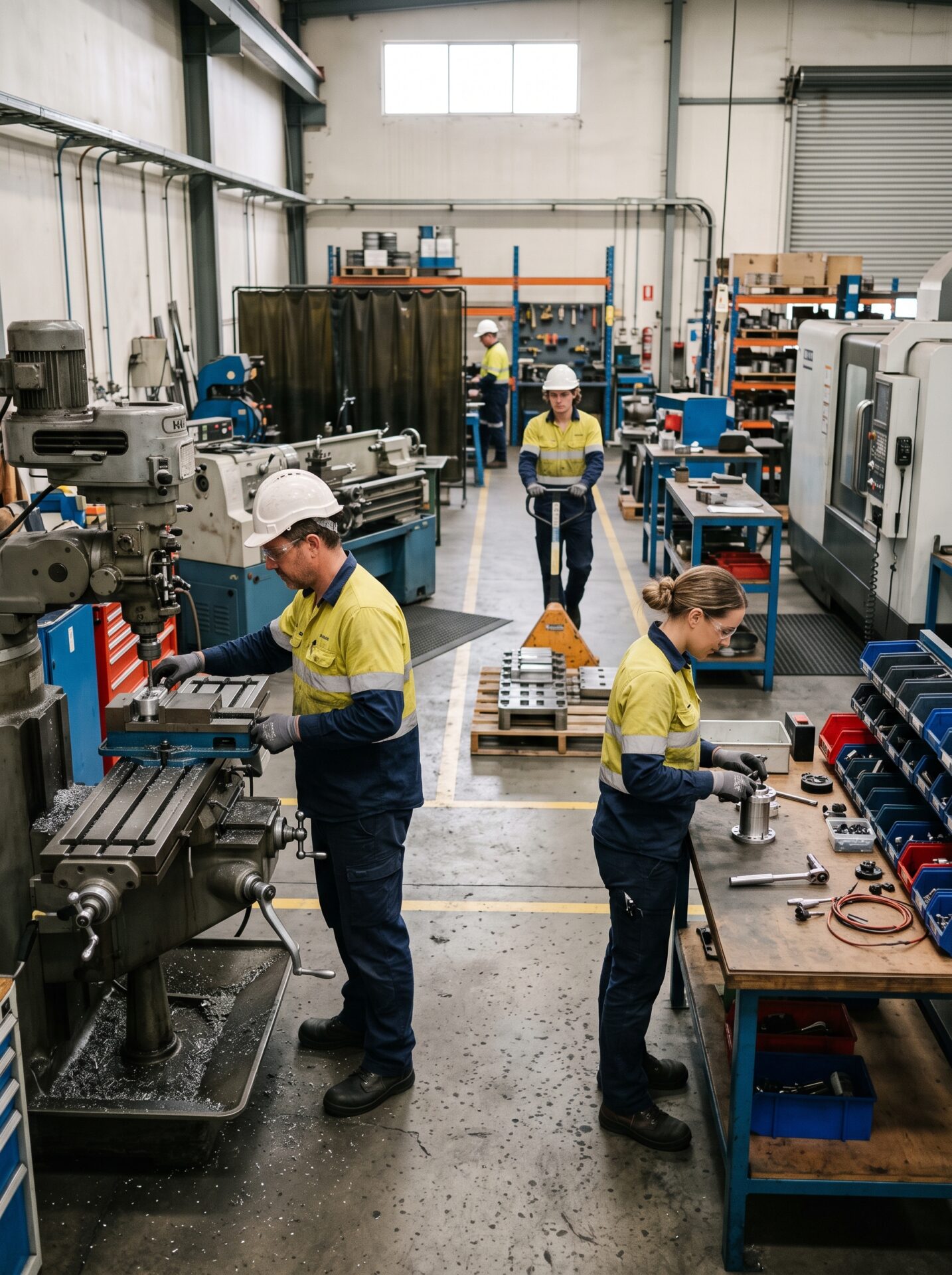
Manufacturing risks don't sit neatly inside a WHS folder.
Your WHS system needs to reflect how your operation actually runs.
That means keeping track of:
We help keep those moving parts organised.
MANUFACTURING RISK MANAGEMENT
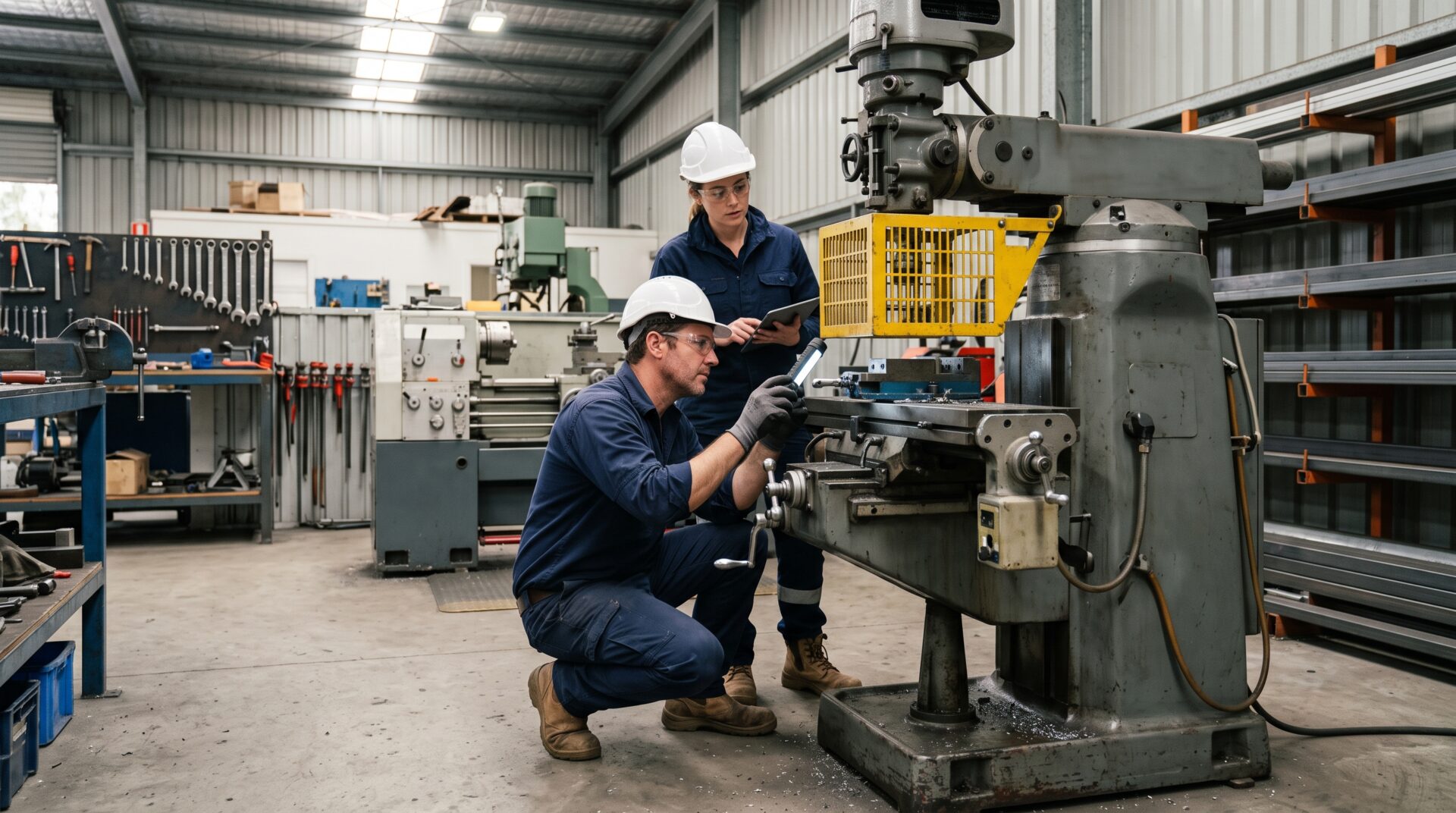
Different manufacturing businesses have different processes, but many face the same challenge: keeping controls effective while production, equipment and work activities change.
Moving parts can create crushing, cutting, entanglement and other serious risks.
Machine guarding, interlocks and safety devices need to remain effective and appropriate for how the equipment is actually being used.
Cleaning, clearing blockages, servicing and repairing machinery can expose workers to unexpected movement or stored energy.
Isolation procedures need to identify energy sources, control them and prevent equipment from restarting while people are exposed.
Forklifts often operate close to workers, delivery drivers, storage areas and production activities.
Traffic routes, pedestrian separation, operator competency and safe movement need to work together.
Fabrication and industrial work can involve welding fumes, gases, paints, solvents, chemicals and other hazardous substances.
The risks, controls, SDS, storage, PPE and worker information need to match the substances and processes being used.
Repetitive work, awkward materials, lifting, pushing and handling components can create physical strain and injury risks.
Work layout, equipment and the way tasks are performed should reduce unnecessary manual handling where reasonably practicable.
A new machine, different material or modified production process can introduce new hazards.
Risk assessments, procedures, training and controls need to keep pace when the operation changes.
ONGOING WHS MANAGEMENT
Depending on your business and agreed scope, we can help manage:
The goal is simple: keep the WHS system behind your operation current, organised and working.

WHO WE SUPPORT
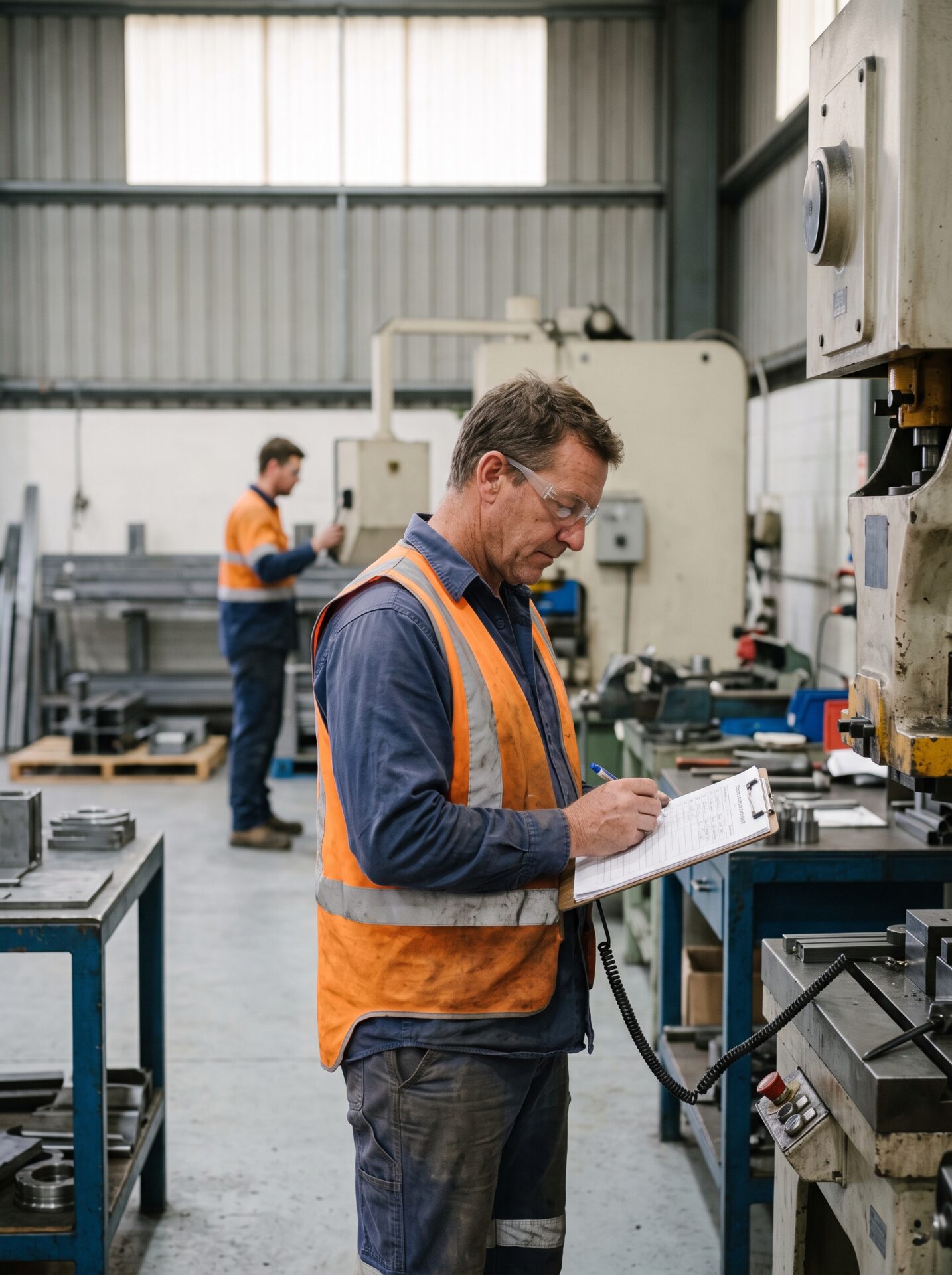
Our WHS services support businesses including:
Our focus is practical WHS management for businesses that need strong safety systems without building a large internal safety function.