01
Machinery, vehicles and equipment
Tractors, mowers, chippers, loaders, quad bikes, side-by-side vehicles and other equipment can create serious risks.
Equipment condition, guarding, competent operators, maintenance and the conditions where machinery is used all need to be considered.
02
Trees and vegetation
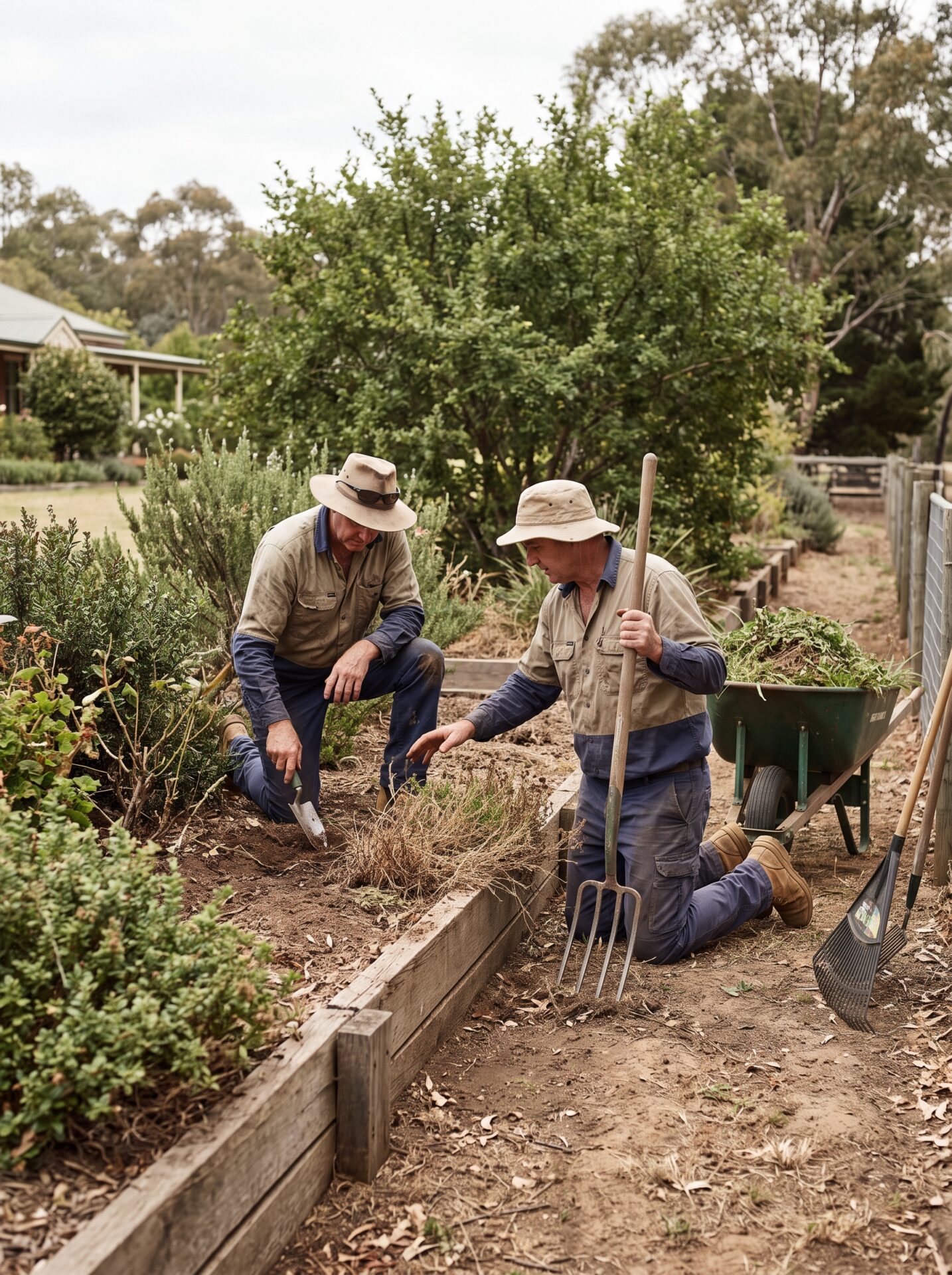
Tree work, vegetation clearing, pruning, chipping and grounds maintenance can involve falling objects, cutting equipment, unstable vegetation and work at height.
The condition of the vegetation, the surrounding area, the equipment and the planned work method need to be assessed before work starts.
03
Chemicals and pesticides
Herbicides, pesticides, fuels and other hazardous chemicals may be part of everyday work.
Training, storage, handling, SDS, PPE, application methods and records need to match the chemicals and the work being done.
04
Weather, terrain and remote work
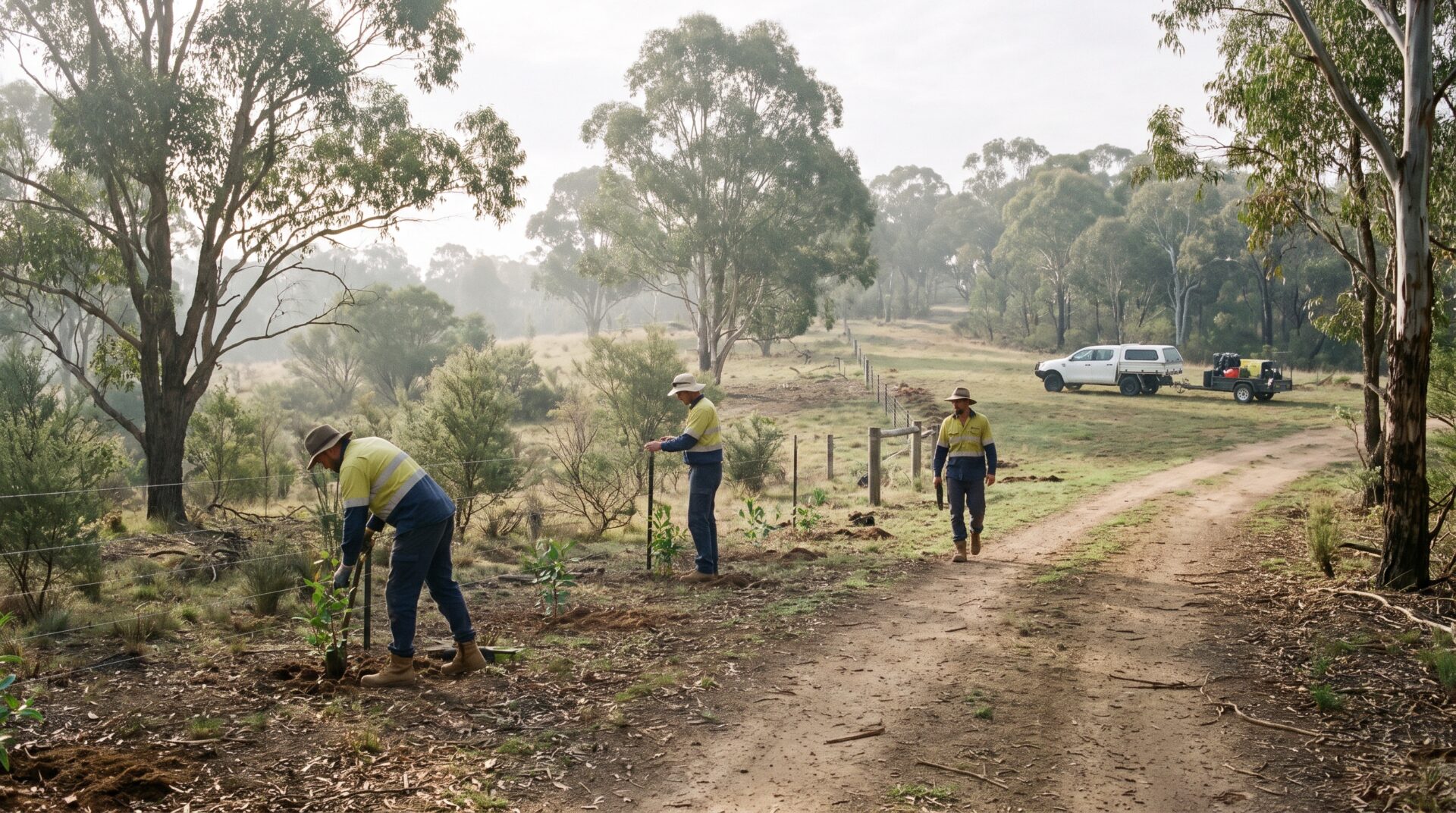
Heat, storms, wind, poor visibility, uneven ground and isolated locations can quickly change the level of risk.
Work methods, communication and emergency arrangements need to account for the actual environment your people are working in.
05
Public, traffic and services
Landscaping, vegetation and environmental work can happen around roads, public spaces, private properties and existing infrastructure.
Traffic, pedestrians, overhead powerlines, underground services and nearby activities need to be identified and controlled as part of the work.
06
Workers and changing conditions
Seasonal workers, new starters and crews moving between properties or projects may not know the local hazards.
Inductions, training, supervision and clear work instructions need to reflect the task, the equipment and the conditions they’re working in.